by Jassica Mendez
Believe it or not, there is the right way to market your business. After all, the better you market it, the faster it will grow. Being the owner of, still, a relatively petite company, though, you’re faced with many challenges and, possibly, fierce competition. Now, you’re probably thinking there’s no way to make it with so many established businesses out there. Right? Well, not really. In fact, not only can you make it, but you can even overthrow your competitors. The game-changers, in your case, could be the digital marketing tools for small businesses – the best of which we’re just about to discuss.
Game-Changing Digital Marketing Tools for Small Businesses
Small business owners, in general, rarely have the budget that big corporations do. That means that, instead of using the most prominent marketing tools out there, they need to make do with the ones that are either not as costly or free. The following digital marketing tools prove that you don’t necessarily have to be a millionaire to ensure your business gets the exposure it deserves.
The best digital marketing tools for small businesses aren’t necessarily the ones with the longest feature lists. The right choice depends on your goals, budget, team size, and the amount of time you can dedicate to marketing. A solo business owner may benefit more from an easy-to-use email platform and simple analytics dashboard than from an expensive all-in-one marketing suite.
When comparing tools, consider whether they offer automation, integrations, useful reporting, scalability, and a free or affordable entry-level plan. It’s also worth checking whether a platform works with the tools you already use. Connecting your website, CRM, email marketing, analytics, and social media platforms can eliminate repetitive tasks and give you a clearer picture of which marketing activities generate results.
Email Marketing Tools
The first set of tools that we are going to talk about is email marketing tools. Email marketing helps businesses interact with prospects and customers. Its goal is to introduce them to new products, offers, and discounts or keep them in the loop as to what’s been going on since they last visited their website.
There are plenty of excellent email marketing tools. However, a couple of notable mentions include:
- Mailchimp. This platform is an excellent choice if you are a complete email marketing novice. It offers both basic and more advanced solutions. It’s pretty straightforward to use and has awesome templates. Mailchimp has several plans, but the ”free” version is a great place to start.
- ConvertKit. If you’re looking for something a bit more professional, this tool is just like designed for you. It was primarily created with content creators in mind. ConvertKit, unlike Mailchimp, is equipped with a landing page editor. It’s not all rainbows and sunshine, though. The free plan is somewhat limited, forcing you to choose between ”Creator” and ”Creator Pro”. Both of these come with, for some, a hefty price.
- Mailtracker. Built by the names behind Hunter.io, Mailtracker is a tool your small business absolutely needs! It’s a tracker that lets you know when an email is opened and how many times it’s been opened. It also includes additional information, like which devices were used for the task.
Email marketing is an essential part of digital marketing.
CRM Tools
Customer Relationship Management (CRM) is an essential digital marketing strategy aiming to improve business-prospect-customer relationships. Knowing how to use it to your advantage is extremely important, as it can, above all, help increase the profitability of your business. Considering that, it’s no wonder CRM tools have made it into the list of best digital marketing tools for small businesses. With that said, let’s talk about a few of them:
- Hubspot. This marketing, sales, and service software’s primary purpose is to help companies grow. It does so through inbound marketing, lead generation, and several other strategies. Whether or not you are new to CRM doesn’t matter, as you’ll benefit from Hubspot either way. The platform is incredibly easy to use, allowing for an impeccable user experience.
- Less Annoying CRM. Being new to the business sphere, you probably find CRM too complex. Well, lucky for you, this platform targets just the likes of you. It helps you manage customer relationships without too much hassle. There are no multiple plans included, just one that costs $15 a month, making this platform a bargain if basic customer relationship management is what you’re looking for.
- GoHighLevel. GoHighLevel is an all-in-one platform that combines CRM, marketing automation, lead generation, sales funnels, and communication tools in one place. It can be particularly useful for small businesses looking to streamline their marketing and customer management without investing in multiple platforms. GoHighLevel also offers tools for creating affordable membership communities, making it a versatile option for businesses that want to build and manage an online community alongside their other marketing activities.
Project Management Tools
Project management tools make planning, carrying out, and tracking projects simple. They allow for team coordination and help team members interact more easily.
- Slack. This widely used chat platform is a simple solution for your small business. This digital workspace helps you stay connected to your colleagues regardless of the time of day (or night). At the affordable rate of $6.67, we could say it would be quite an asset to your business.
- Trello. Another popular choice, Trello, is a visual thinker’s paradise. Thanks to the features like boards, cards, and lists, staying on track with your project has never been easier.
SEO Tools
Search Engine Optimization (SEO) is a vital component of digital marketing. It’s meant to improve the visibility of your website across search engines, such as Google, Bing, Yahoo, and more. To make the most of SEO, you’ll need adequate tools, such as:
- SEMrush. Millions of people across the globe use SEMrush. And it’s no surprise, as it’s possibly the most well-rounded SEO platform to date. In short, it combines multiple tools, products, and add-ons. It’s capable of tracking SEO metrics, comparing them, giving suggestions on how to improve your content so that it ranks high, and so much more.
- KeywordsEverywhere. You’ll be required to pay nothing but $10 to be able to use this browser extension for a lifetime! In short, KeywordsEverywhere is a keyword research tool that researches and compares keywords for you while you are browsing your favorite sites. Gone are the days of switching between the Google Keyword Planner and the keyword research tool!
YouTube SEO Tools
For small businesses using YouTube to reach potential customers, YouTube SEO tools can make it easier to optimize videos and track how well they perform. Two useful options are TubeBuddy and vidIQ.
- TubeBuddy. This YouTube-focused tool helps businesses and creators improve their video SEO, research keywords, track rankings, and monitor channel performance. It can be particularly useful for identifying opportunities to optimize existing videos and understand which content is gaining traction.
- vidIQ. Another popular option for YouTube SEO, vidIQ provides keyword research, content ideas, competitor insights, and performance tracking. These features can help small businesses create videos that are more likely to reach their target audience and improve their overall YouTube strategy.
AI Marketing Tools
AI marketing tools can help small businesses accomplish more without expanding their marketing teams.Depending on the platform, artificial intelligence can assist with brainstorming content ideas, creating first drafts, analyzing customer data, generating ad variations, and identifying trends in campaign performance.
AI should generally be treated as a productivity tool rather than a replacement for human expertise. Before publishing AI-generated content, review it for accuracy, originality, brand consistency, and usefulness to the intended audience. Combining AI with human editing can help small businesses produce marketing materials more efficiently while maintaining a consistent voice.
More Digital Marketing Tools for Small Business
If you thought this was the end, you were wrong. There are plenty of other digital marketing tools that can help your small business ascend.
- Social Media Tools help people curate content, schedule posts, keep track of the metrics, and promote their businesses. The commonly used ones include Hootsuite, Buffer, and CoSchedule.
- Content Marketing Tools allow you to create optimized content that will later help your business grow. For written content, stick to WordPress and Google Docs. For visuals, however, you are better off using Canva.
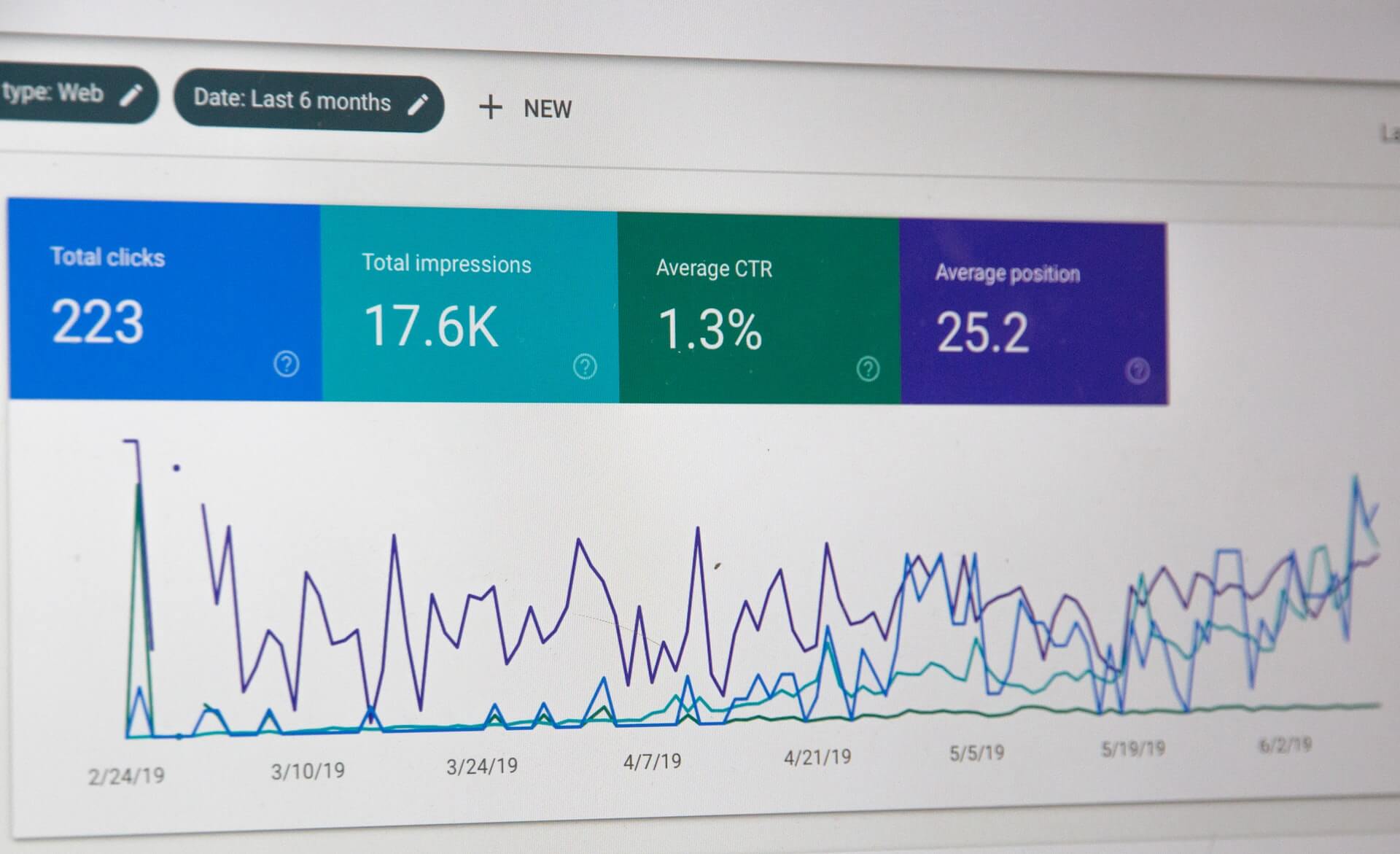
- Analytics Tools are designed to compare and monitor how your marketing efforts are performing over a variety of landing pages, channels, and others. The best one out there is none other than Google Analytics. It so happens to be free, as well. It’s an absolute must-have, although it might prove a tad complicated to interpret by a complete novice.
How to Choose the Right Digital Marketing Tools
With so many platforms available, small businesses don’t need to use every digital marketing tool they can find. Start by identifying the biggest gap in your current marketing process. If you’re losing track of leads, a CRM may be the priority. If your website receives little organic traffic, SEO and analytics tools may offer greater value. If customers rarely return, email marketing and automation could be more useful.
It’s also smart to start with one or two tools and measure their impact before adding more. Look at metrics such as website traffic, qualified leads, conversion rates, email engagement, and customer acquisition costs. The goal isn’t to build the largest marketing technology stack possible. It’s to create a manageable system that saves time and produces measurable results.
Conclusion
The best digital marketing tools for small businesses are the ones that solve specific problems without creating unnecessary complexity. Most of these are affordable, if not free, and most are simple to use, even if you have no clue how digital marketing works. We encourage you to give them a shot – the truth is, there’s nothing to lose if you do but so much to gain.